
Fia Batua, RND
Medical Culinary Sports Nutritionist Dietitian / PHL September 2020
Are carbs bad for you? Do carbs make you gain fat?
We’ve heard them all and now it’s time to clear things up.
In the mid-20 th century, we were inundated with several “health and nutrition” information. We were told carbs were bad. We were also told that consuming macronutrients like fat was not advisable.
This caused a lot of confusion, and frustration, especially for nutrition experts. One big factor for the “demonizing of carbs and fats” was that the food industry then was trying to sell to the masses the latest fad-diets (i.e.: sugar-rich foods).
But now we know better and we are here to arm you with science-based facts. In this article we will debunk the five (5) major myths abouts carbs.
But before we get into it, what exactly are carbohydrates?
Carbohydrates serve several key functions in your body. They provide you with glucose as energy. Glucose is a main source of fuel for our body. It is especially important for the brain, which cannot easily use other fuel sources (such as fat or protein) for energy.
There are two (2) types of carbohydrates: simple and complex.
Simple carbohydrates are absorbed quickly. Examples are:
-White and brown sugars
– Corn syrup
-Fructose (natural sugar in fruit)
Complex carbohydrates on the other hand, take longer to digest because of its long, complex chains. Mostly composed of starch and fiber. Examples are:
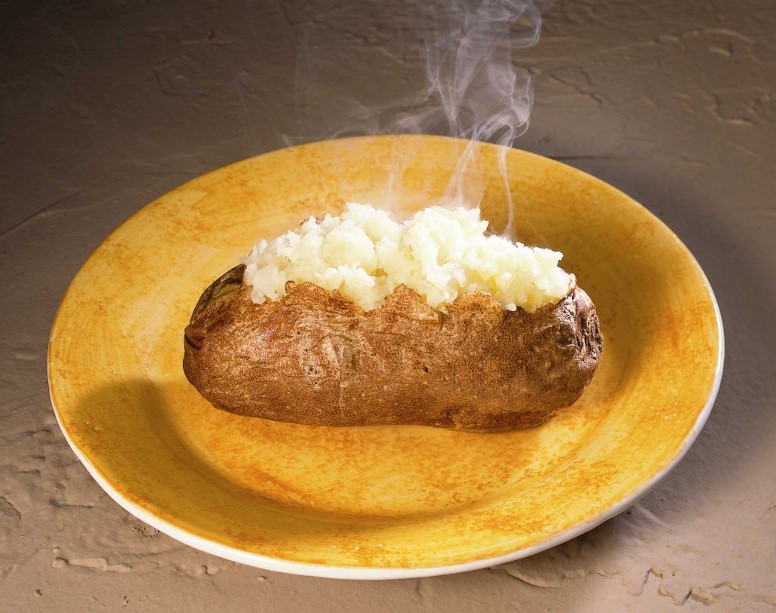
– Starchy vegetables (like potatoes)
– Whole Fruits
– Whole Grains
Note: Many carb foods have a mix of simple and complex carbohydrates, like
fruits.
Now, that you’ve learned the importance of and basic info on carbohydrates, it’s time to debunk some popular carb myths:
Myth #1. Carbs Will Make You Gain Weight.
As a nutritionist dietitian, I can assure you that carbs can actually help people lose excess fat weight. How? The fiber we get from carbohydrates!
Carbohydrates is the main source of fiber. Fiber helps us feel full in a longer period after just one meal. In fact, just by adding fiber-rich food in to your diet without totally making other changes can actually help you lose weight.
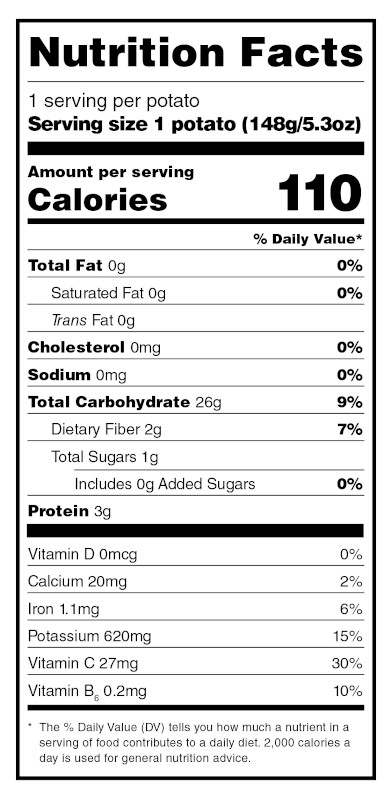
The fiber we get from carbohydrates, like potatoes that have 2 grams of dietary fiber for every 5.3oz skin on, is heart friendly, good for gut health, and can help reduce the risk of diabetes. The only problem is, most Filipino aren’t getting the recommended amount of fiber.
Recommended Energy and Nutrient Intake (RENI) suggests adults to get a daily intake of 25 grams of dietary fiber.
Myth #2. All Carbohydrates Are Bad.
There are a lot of carb-rich foods that aren’t that healthy when taken in EXCESS’ like donuts, candies, and cakes. Thinking of those sources as “bad” can lead to generalizing that all are bad, but they aren’t.
Remember, focus on getting most of your carbohydrates from less refined, whole-food sources that are high in fiber (complex carbs). Fiber helps slow down the absorption and keeps blood sugar levels in check.
Myth #3. White Carbs Are Bad.
Just because white carbs have less nutritional value doesn’t mean they’re bad. Other carb-rich foods that are considered “white” due to the color of their inside layer can be essential to good health.
Actually, there is no such thing as good or bad food. All food can be part of a balanced diet.
TIP:
If your plate is full of high-fiber rich foods like vegetables, it’s OKAY to add white carbs. And also, enough with the EXTRA servings!
Myth #4. You Will Feel Tired After Eating Carbs.
A little bit of sleepiness after eating is completely normal and nothing to worry about.
It’s not because of the carbohydrates alone, but it’s the whole process of digestion that makes you feel a little tired or sleepy.
More than just changing food into energy, our digestive cycle triggers all kinds of responses within our body. Interestingly, there are also hormones that can lead to drowsiness if increased levels are found in the brain. One such hormone is serotonin.
High-protein foods containing tryptophan encourages the release of serotonin.
Examples are:
-Eggs
-Soy
-Fish
-Cheese
Other foods, like bananas, has minerals in it that helps the body feel relaxed. In short, many foods can impact energy levels in different ways.
Stop blaming carbs.
Myth#5. Don’t Eat Carbs After Exercise, Focus Only on Your Protein Intake.
Totally not true. In sports, carbohydrates play a vital role.
The main role of carbohydrates in physical activity is to provide energy. For athletes, if their diet does not contain enough carbohydrate, it is likely that their performance and recovery will be impaired, as carbohydrate is the key fuel for the brain and for muscles during exercise.
If you are doing high intensity training for long periods and your glycogen stores are not sufficient you may feel tired, lack energy and not be able to perform at your best. So, regular intake of carbohydrate-rich foods can be important to keep stores topped up.
Bonus!
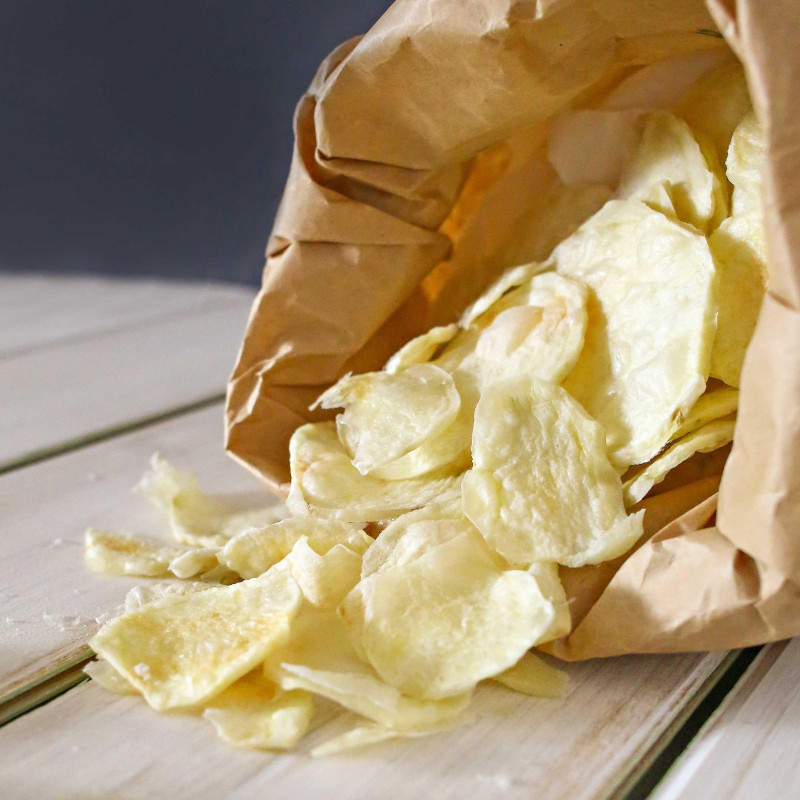
Try this SUPER EASY5-minute home-made potato chips recipe
as a pre-workout snack:
INGREDIENTS
-1 pc medium size potato (5.3oz)
– Salt and pepper
– Olive oil spray
INSTRUCTIONS
- Slice potatoes as thin as possible, about 1/8 inch thick or less. Dry slightly with a paper towel.
- Place potato slices on a microwave-safe plate. Make sure slices don’t overlap. You may need to do these in a few batches.
- Spray potatoes with olive oil spray and sprinkle salt, pepper and other spices
if you like. - Cook in a microwave until they begin to brown. Time may vary, mine were
done in about 5 minutes. You may want to start out with 2 minutes and work
your way up, checking on the doneness.


 Welcome to my world!