by: Fia Batua, RND -CSN EFT
Medical Culinary Sports & Pediatric Nutritionist Dietitian
Let’s Talk About Child Nutrition.
Are your kids getting enough nutrients? How much do they need to stay healthy, happy and perform at their best?

Healthy eating in the early stage of childhood and adolescence is important for physical growth and mental development. Having poor nutrition has irreversible effects on your child’s overall performance, whether it be in school or physical activities. Inadequate nutrition during childhood also affects productivity and ability to earn as an adult – affecting your child’s quality of life.
Did you know that 1 in 3 Filipino children are stunted, putting the Philippines in the 9th rank in the world with the most stunted children?
- Stunted children -too short for their height
- Stunting -caused by poor nutrition
-
-
-
-
-
-
- -effects can be long lasting
- -delays both body and brain development
-
-
-
-
-
-
In a report back in 2019, the United Nations Children’s Fund (UNICEF) warned that Filipino children are increasingly suffering from poor diet, inadequate nutrition, and food systems that are failing them.
Also, according to the 2018 National Nutrition Survey (NNS), adolescent obesity has almost tripled in the last 15 years, and that 7% are too thin for their height. (UNICEF)
1 in 10 Filipino Adolescents are now over weight because of wrong eating habits.

Dr. Azucena Dayanghirang, Executive Director of the National Nutrition Council (NNC) said that “The NNC is exhausting all efforts to address malnutrition especially among children through the Philippine Plan of Action for Nutrition (PPAN 2017-2022), which serves as the country’s fragments for nutrition improvement. Giving particular attention to the first 1,000 days of life to give our Filipino children a brighter future.”
As a nutritionist, I see the value in focusing on natural fresh sources of energy and nutrients. One of the best food items I highly recommend for kids are nutrient-dense potatoes.
According to the Philippine Dietary Reference Intake 2015, it is recommended that children ages 1 year and older should consume a healthy, balanced diet with at least 50% of the body’s calorie needs coming from carbohydrates, preferably complex, and one of the best sources are potatoes. A serving of potato has 26 grams of complex carbohydrates, the primary fuel for the brain and a key source of energy for muscles.
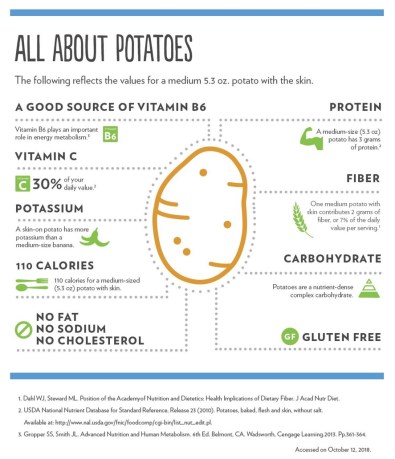
Potatoes play an important role in a child’s healthy diet. Aside from complex carbs, they are also loaded with vitamin C, and contain protein and iron. These are essential nutrients for growing kids.
Add to that how easy it is to get a hold of potatoes. They’re readily available in stores nationwide. It helps that they’re light on the budget, too.
The potato is often referred to as the “gateway vegetable” because it is easy to incorporate it in a child’s diet. It can be cooked in a lot of different ways and used in a variety of dishes that they enjoy. Here are some fun, healthy, and helpful potato kitchen hacks you can serve your kids:
- Cook potatoes with finely chopped colored vegetables.
- Make cauliflower mashed potatoes. Just simply mash cauliflower and potatoes together, then add some of your family’s favorite gravy recipe.
- Add some puréed beets to make light pink mashed potatoes.
- Try adding cheese to your potato casserole with chopped broccoli.

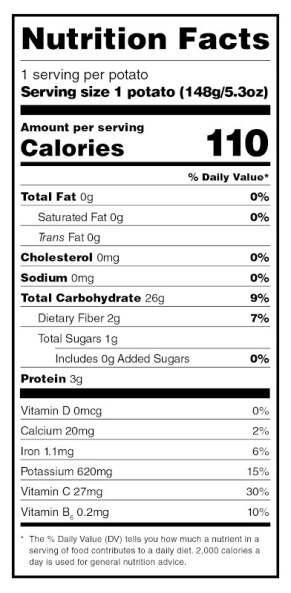
Another way to get your kids involved and be made aware of proper nutrition is to let them compare food labels when selecting packaged food items. It’s a good means to get them started towards a healthy, sustainable diet.
I would also like to share these general healthy tips for ages 3-18 from Pinggang Pinoy:
- Eat whole meals with less salt.
- Prepare a good breakfast to have enough fuel.
- Do not skip breakfast.
- Get creative when cooking meals for kids.
- Get enough rest and sleep.
- Serve healthy snacks, like whole fruits and vegetables.
- Understand nutrition information on product labels to make smart food choices.
- Stay Physically active.
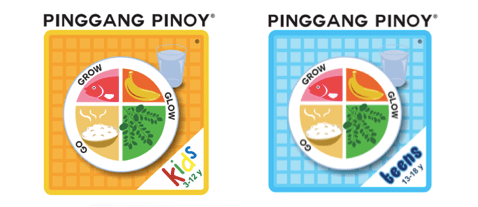
Plus, please avoid introducing your children to fad diets. Always show a positive attitude to healthy eating by recognizing the value of whole foods and a balanced diet.
Lastly, I must add, that eating healthy breakfast is associated with enhanced cognitive function, and may also improve your child’s mood! Prepping and giving more time to your child’s meals and encouraging them to select healthier choices can help keep things on track.
“Every child has the right to live a healthy life…”
– Save the Children

 Welcome to my world!