By Fia Batua, RND | Medical Culinary Sports Nutritionist Dietitian
Are you into endurance sports? Do you love high intensity training? Do you follow a particular diet for weight management or weight loss?
It’s true that in the short term, low carb diet (LCD) or very low carb diet (VLCD) can result to rapid weight loss, about 1kg to 3kgs during the first few days, but this is mainly due to the depletion of glycogen and water loss.
Nonetheless, these diets do not seem to maintain faster weight loss compared to traditional energy-restricted plans.
Athletes are natural carb-burners, and it is important that the energy source is replenished every time it is lost or depleted. 🚴🏻♂️
In a low-intensity training, an athlete needs 3g to 5g of carbohydrates (CHO) per kg body weight, and an intake of 8g to 12g CHO per kg body weight for a 1hr to 3hr moderate to high-intensity training.
During moderate-high intensity training, the body is unable to use fat as energy quickly enough, thus requiring carbohydrates to produce or replenish energy. And according to mainstream diets, LCD falls to a category where carbohydrate intake is less than <3g/kg BW (<150g per day), or <10% TER (VLCD/VLCKD).
LCD/VLCD also restricts or limits the intake of whole grains, fruits, and starchy vegetables, which all are great sources of fiber, essential vitamins, and minerals – increasing the risk of possible deficiency.
Athletes who use LCD/VLCD as a weight management program may result in inadequate nutrients and energy intake, which in return can affect overall performance.
In sports, carbohydrate intake should be “periodized” or match the training plan where intensity and duration vary.
If the goal is to lose weight, it can be achieved by any strategies that consist of lower energy intake correlate to energy used. LCD may be beneficial in some situations like injury days/low-intensity activities. But a person or an athlete who trains more than 1hr to 3hrs a day, moderate to high intensity should include moderate to high quality carbohydrates to their diet, and athletes should plan their overall nutrient intake to match their training goals and plan.
Carbohydrate is not the culprit.
Overeating and bad habits are. 🤭
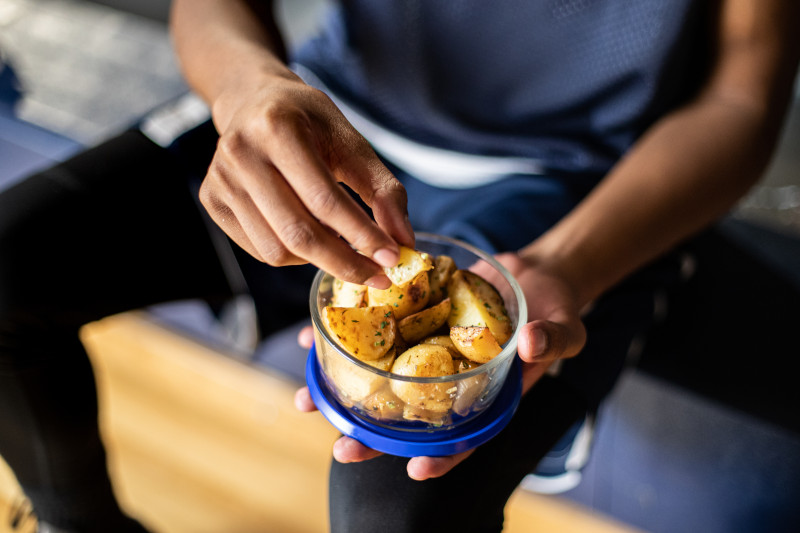
And when we talk about quality, complex carbohydrates to power athletic performance, look no further than the humble potato. A medium size skin-on potato (148g) has 26g of carbs, to fuel both the body and the brain. It also is a good source of potassium about 620mg to help neuro and cardio function, and has 3g of protein to aid muscle recovery.
In line with this, four experts in nutrition and athletic performance have partnered with Potatoes USA to create 13 new recipes designed to encourage active individuals to improve their performance with potatoes. You can check it out here: https://bit.ly/3nWqxNI.
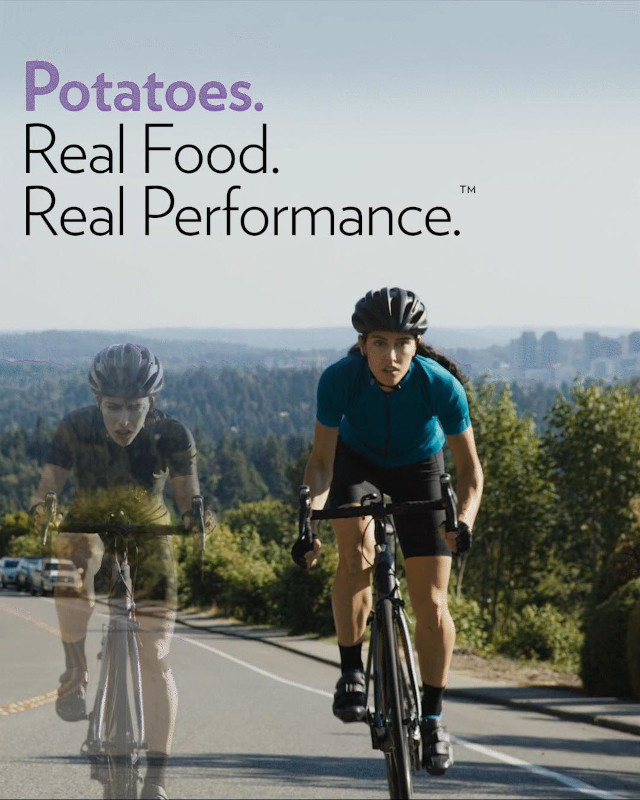
The new recipes were developed using the most recent compilation of nutrition recommendations for athletes published jointly by the American College of Sports Medicine (ACSM), Academy of Nutrition and Dietetics (AND) and Dietitians of Canada, along with a “Carbohydrates for Training and Performance” review published in The Journal of Sports Sciences.
The research compilation published jointly by ASCM and AND states that “some research suggests that consuming carbohydrate along with protein post exercise may aid in recovery.” According to the review written by Louise Burke and colleagues and published in The Journal of Sports Sciences, “your body’s stores of carbohydrates are limited and may be depleted even in a single session. It’s important to replenish them.”
In summary, if you’re an athlete who is into endurance sports, I do not recommend the LCD/VLCD diet. It would be more harmful than beneficial to your overall health and performance. I highly encourage the consumption of a well-balanced meal with whole foods rich in complex carbs, potassium, and proteins.
Please consult with your doctor or nutritionist before starting your weight loss journey, especially if you have any pre-existing medical conditions. We’re here to help you achieve your weight goals the healthy and proper way.🥔🥬🤓
 Welcome to my world!