It’s important that we start this article by defining GLUTEN and why it is bad for some* people.
Gluten is a family of proteins found in grains like wheat, rye, spelt and barley. The main proteins in gluten are glutenin and gliadin – and gliadin is responsible for most of the bad health effects.
Wheat is by far the most commonly consumed gluten-containing grain. Common foods that usually contain ingredients with gluten include:
- Pasta
- Bread
- Crackers
- Some seasonings and spices
But let me clear this one, MOST people in the country tolerate gluten just fine. However, it can cause problems for some people with certain health conditions like celiac disease, gluten sensitivity, wheat allergy and some other diseases. Which is just about 1-13%* of the general population.
“Celiac Disease (CD) was rare among minority groups but affected 1% of non-Hispanic whites. Most persons who were following a Gluten-Free Diet did not have a diagnosis of CD.”(1)
“Prevalence rates for NCGS are extremely variable. A subset of NCGS patients might belong in the so-called ‘coeliac-lite’ disease. The benefit of a GFD for NCGS patients is currently controversial. HLADQ2 positive diarrhoea-type IBS patients might gain symptom improvement from a GFD.” (2)
Celiac disease (CD) is an auto-immune disorder and involves the body treating gluten as foreign invader. Triggered mostly by eating gluten-containing food such as bread products and pasta.
Non-celiac gluten sensitivity (NCGS) on the other hand is a condition that is not positive for celiac disease but reacts negatively with gluten. Symptoms include diarrhea, stomach pain, tiredness, bloating and some cases, depression.
Meanwhile, those with irritable bowel syndrome, interestingly, may benefit from gluten-free products. Some studies have shown that it might also help those that are diagnosed with schizophrenia and autism.
“(3)There may be a subgroup of patients who might benefit from a gluten-free diet, but the symptom or testing profile of these candidates remains unclear.”
One of the best substitutes for gluten products that I highly recommend as a dietitian are Potatoes.
Yes – potatoes are gluten-free. If you are one of the 1-13% of the general population that cannot tolerate gluten, then this is good news. #USPotatoPower
So here are my top TIPS and TRICKS for substituting potatoes for gluten products:
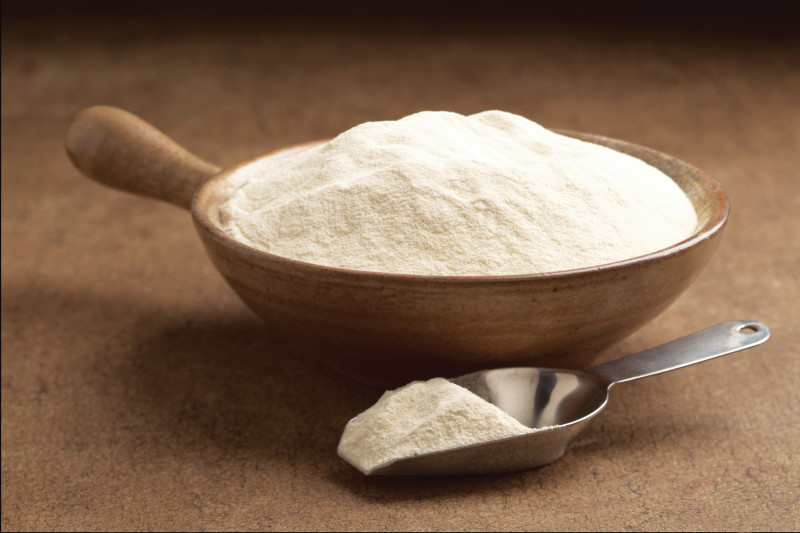
TIP#1: Use Potato Flour
The trick here is when baking breads, cookies, and cakes, you can use potato flour instead of wheat flour.
TIP#2: Use Mashed Potatoes
When thickening soups and sauces, skip the roux (made of flour), instead, add freshly mashed potatoes! The flavor will be amazing too!

TIP#3: Use Potato “Breading”
Roll your chicken or fish in potato flakes instead of breadcrumbs. YUM!
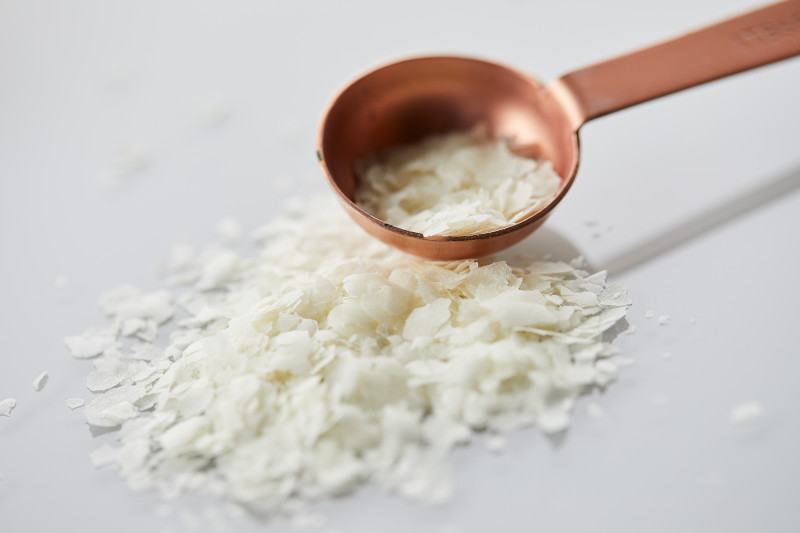 (Dehydrated Potato Flakes)
TIP#4: Make Your OWN Breads, Gravy and Chips
It is always BEST to create your own. You get to control the spice-level, too.
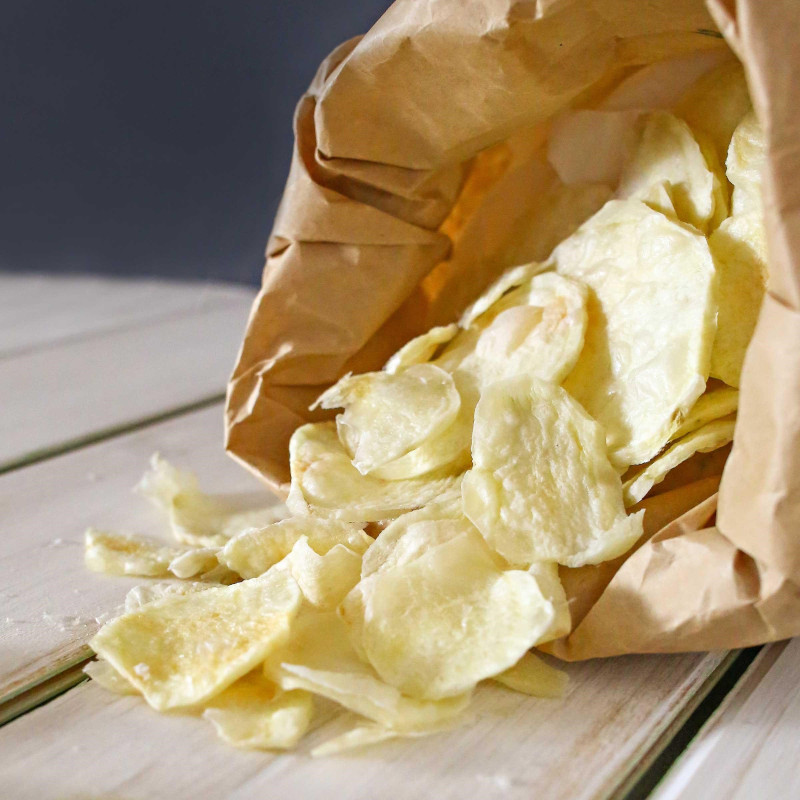
Have fun and be creative when cooking with potatoes. You’ll definitely love the added flavors and how flexible it is to use these versatile spuds! #PotatoesUSA
Being gluten-free doesn’t mean you have to sacrifice everything you love. Sometimes, all you need to do is to make simple modifications. It’s one way of avoiding the feeling of being deprived of your favorite foods. Enjoy!
*Photos provided by Potatoes USA
Love lots, Miss Fia
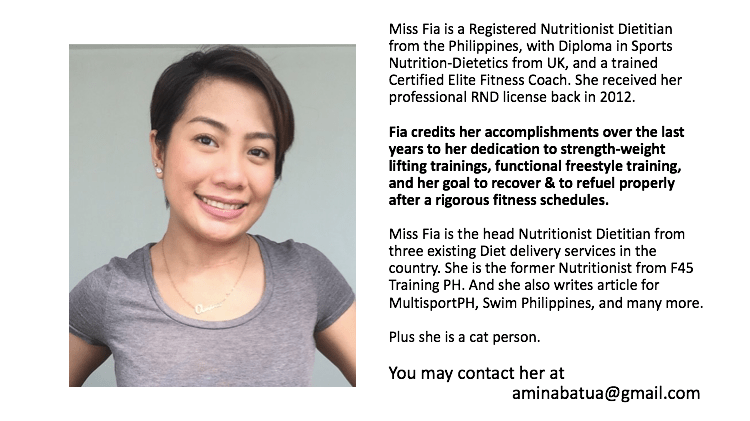
 Welcome to my world!